

Are you tired of complicated processes when capturing screenshots? You’re not alone. Many of us need to take screenshots daily, whether for work, tutorials, or sharing information. A screenshot capture tool can simplify this task, making it easier to focus on what matters. Using a screenshot extension can significantly streamline your workflow. It allows you to capture what’s on your screen with just a few clicks, eliminating unnecessary steps and saving you time. This tool is designed to be user-friendly, ensuring that you can quickly adapt to using it without feeling overwhelmed.
Key Takeaways
- Simplify your screenshot process with a dedicated tool.
- Streamline your workflow by capturing screenshots quickly.
- Enhance productivity by reducing the steps needed to take screenshots.
- Enjoy a user-friendly experience with a image capture utility.
- Save time by capturing screenshots with just a few clicks.
What is a Screenshot Extension?
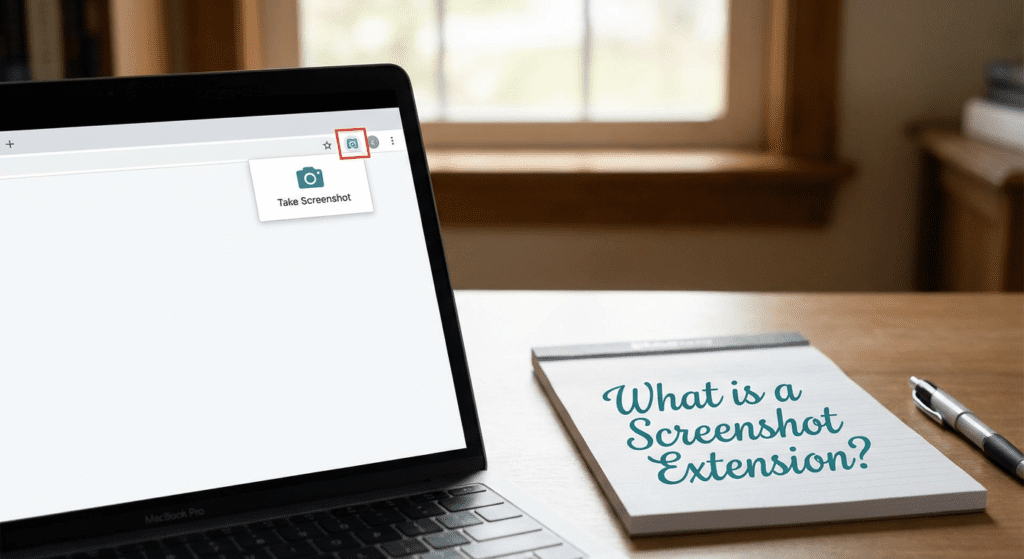
Have you ever needed to take screenshots for work, sharing, or just to remember something? Screen capture add-on are browser add-ons that make it easy to capture, edit, and share screenshots. They fit right into your browser, making it simple to manage visual content.
Definition and Purpose
A browser screenshot extension is a tool that adds new features to your web browser. It lets you take screenshots quickly and easily. These extensions also have editing tools, annotation options, and ways to share your screenshots, making them very useful.
Common Features of Screenshot Extensions

Most screenshot tool have features that make them handy. Here are some common ones:
- Selective capture: Allows you to capture specific areas of the screen.
- Full-page capture: Enables capturing the entire webpage.
- Editing and annotation tools: Provides options to highlight, annotate, or edit the captured screenshots.
- Sharing options: Facilitates sharing the screenshots via email, social media, or cloud storage.
To better understand, let’s look at some popular screenshot tools and their features:
| Feature | Nimbus Screenshot | Awesome Screenshot | Lightshot |
|---|---|---|---|
| Selective Capture | Yes | Yes | Yes |
| Full-page Capture | Yes | Yes | No |
| Editing Tools | Yes | Yes | Yes |
| Cloud Sharing | Yes | Yes | Yes |
As shown, different image capture utility have different features. Knowing these can help you pick the best one for your needs.
Benefits of Using a Screenshot Extension
Using a top screenshot extension can change the game for anyone wanting to make their screenshot process easier. These extensions make capturing and sharing screenshots simple. This can greatly improve your productivity and workflow.
Quick and Efficient Capturing

A best screenshot extension lets you take screenshots fast and easy. With just a few clicks, you can capture the whole screen, a part of it, or even a long page. This is super helpful for tasks like making tutorials or documenting problems.
| Feature | Benefit |
|---|---|
| Quick Capture | Save time by capturing screenshots instantly |
| Selective Capture | Capture specific areas or windows |
| Scrolling Capture | Capture long web pages or documents in a single screenshot |
Enhanced Sharing and Collaboration
A top screenshot tools also makes sharing and working together easier. Many extensions let you upload your screenshots to cloud storage or share them via link. This makes teamwork smoother.
For example, when working on a project, you can share important screenshots with your team quickly. This ensures everyone is in sync. It can make projects run more smoothly and cut down on misunderstandings.
Some image capture utility also have tools for adding notes and arrows to your screenshots. This is great for pointing out important parts or adding context. It helps a lot with teamwork.
Popular Screenshot Extensions for Browsers
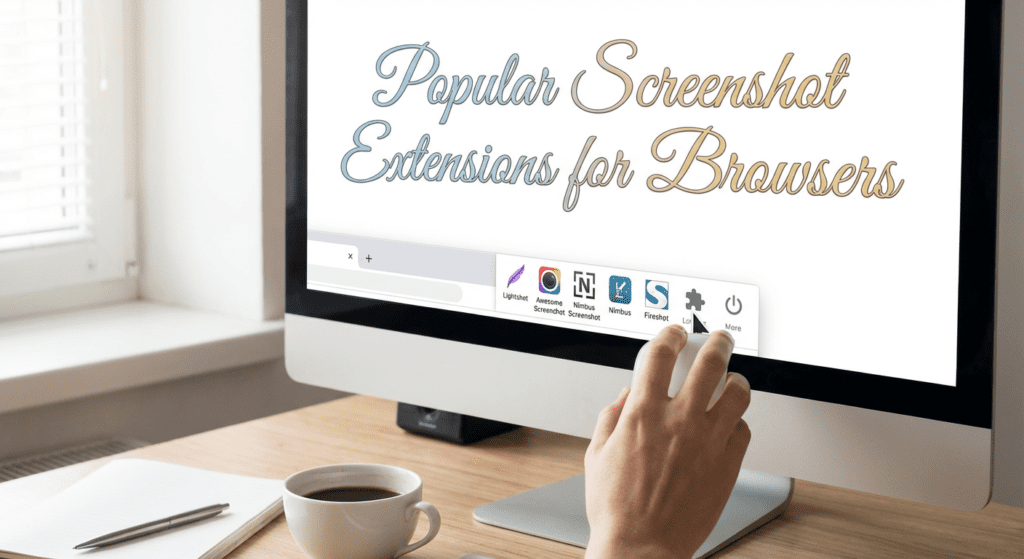
The world of browser extensions is full of tools to make screenshotting easier. Some extensions stand out more than others. They help you capture, edit, and share screenshots right from your browser.

Nimbus Screenshot
Nimbus Screenshot is a top choice for its wide range of features. It lets you take screenshots of whole web pages or just parts of them. You can also add notes, shapes, and text to your screenshots.
It also supports cloud storage. This makes it easy to share your screenshots with others.
Awesome Screenshot
Awesome Screenshot is another favorite for its many features. It lets you capture full pages, select areas, and even record your screen. The editing tools are powerful, allowing you to blur out sensitive info, add notes, and crop images.
Lightshot
Lightshot is a simple and easy-to-use extension. It’s great for quick captures of specific areas. It also has basic editing tools for those who don’t need a lot of features.
Here’s a quick comparison of these extensions’ main features:
| Extension | Capture Options | Editing Tools | Cloud Storage |
|---|---|---|---|
| Nimbus Screenshot | Full page, selected area | Annotations, shapes, text | Yes |
| Awesome Screenshot | Full page, selected area, screen recording | Blur, annotations, crop | Yes |
| Lightshot | Selected area | Basic editing | No |
Each of these popular screenshot extensions has its own special features. Whether you need advanced editing or just a simple tool, there’s something for everyone. Many of these extensions are free to use.
How to Install a Screenshot Extension
Adding a screen capture add-on to your browser is easy. Just follow a few simple steps. This guide will help you get started with capturing screenshots fast and easy.
Step-by-Step Installation Guide
To add a this browser tool, just follow these steps:
- Open your browser and go to the extensions or add-ons store.
- Look for a image capture utility, like “Nimbus Screenshot” or “Awesome Screenshot,” in the search bar.
- Click on the extension you want, then hit the “Add to Browser” or “Install” button.
- A pop-up will ask if you want to add the extension. Click “Add Extension” to continue.
- Wait for the extension to download and install. You might need to restart your browser or pin it to your toolbar.
Permissions and Settings
After installing, you might need to adjust some settings. Here are a few things to keep in mind:
- Permissions: Some extensions need permission to use your camera, microphone, or browsing history. Make sure you’re okay with these permissions before granting access.
- Capture Settings: You can change how the extension captures your screen. Choose to capture the whole screen, a part of it, or a specific window. Play around with these options to find what works best for you.
- Annotation Tools: Some extensions let you highlight, draw, or add text to your screenshots. Get to know these tools to make your screenshots better.
By following these steps and adjusting your settings, you can use a browser-based screenshot tool to capture and share your screenshots effectively.
Tips for Effective Screenshot Capturing
To get the most out of your screenshot capture tool, follow these expert tips. Taking the right screenshot can really help you share and work with others better.
Choosing the Right Area to Capture
When using a screen capture extension, picking the right area is key. You can capture the whole screen, a single window, or a custom area. Capturing a custom area usually works best to highlight what’s important.
To capture a specific area, look for the “custom” or “region” option in your extension. Then, you can drag and drop to pick the exact spot you want to capture.
Using Annotations and Markup Tools
Annotations and markup tools are vital for pointing out key info in your screenshots. Most screenshot tools offer various tools like arrows, text boxes, and highlighters.
Using these tools well can make it clear what you’re trying to show. It makes it easier for others to get your point.
For example, you can use a highlighter to draw attention to a section or an arrow to show important details. Try out different tools to see what works best for you.
How to Organize Your Screenshots
To get the most out of your screen capture add-on, you need a good organizational system. As you keep taking screenshots, a tidy library boosts your productivity and workflow.
Creating Folders for Easy Access
Organizing your screenshots in folders is a smart move. You can do this in the screenshot tool or on your computer. That way, you can find the image you need fast, without digging through many files.
- Create a main folder for all your screenshots.
- Sub-divide this folder into categories like projects, tutorials, or feedback.
- Use clear and descriptive names for your folders to ensure easy identification.
Naming Conventions for Better Searchability
Using a consistent naming convention for your screenshots makes them easier to find. Many top screenshot extensions let you set the default naming format. Include details like the date, project name, or a brief description in the filename.
| Naming Convention | Example | Benefits |
|---|---|---|
| Date + Project Name | 2023-04-01_ProjectX_Screenshot.png | Easy to sort chronologically and by project. |
| Description + Date | FeedbackForm_2023-04-01.png | Quickly identifies the content and date of the screenshot. |
By using these organizational tips, you can make the most of your best screenshot extension. You’ll save time looking for specific screenshots and keep your digital space organized.
Integrating Screenshot Extensions with Other Tools
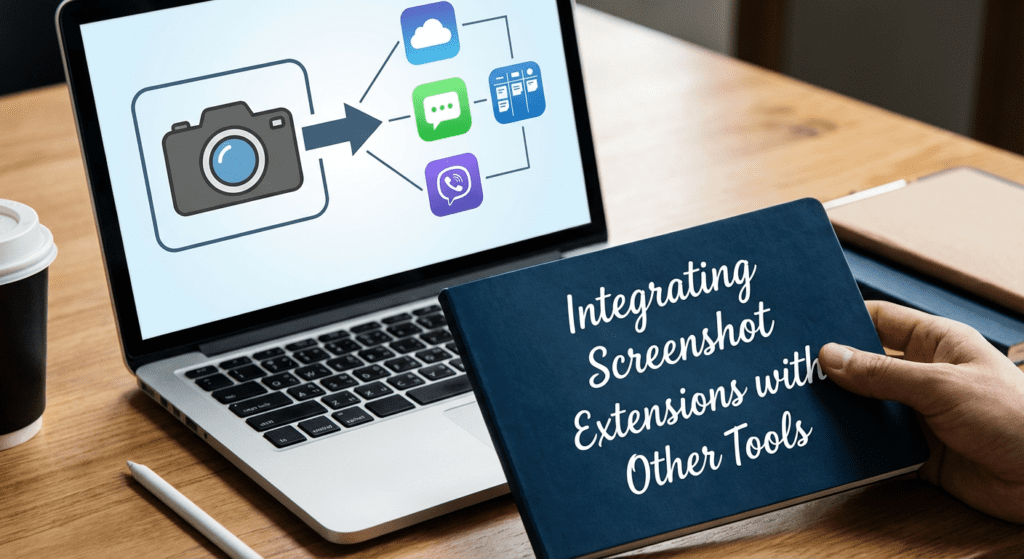
This browser tool become even more powerful when used with other apps. They work great with project management tools and cloud storage. This combo boosts your workflow and productivity.
Compatibility with Project Management Tools
Many image capture utility pair well with tools like Trello, Asana, and Jira. This makes it easy to capture and share screenshots right in your project. It’s a big help for keeping visual info handy.
For example, you can snap a bug in your software project and link it to a task in Trello or Asana. Jane Doe, a project manager at XYZ Corp, says, “Using our browser-based screenshot tool with Trello has cut down our feedback time by hours each week.”
Sharing via Cloud Storage Services
Cloud services like Google Drive, Dropbox, and OneDrive work well with browser-based screenshot tool. This lets you store and share screenshots easily. Meanwhile, your screenshots are safe and easy for your team to find.
“The link between browser-based screenshot tool and cloud storage has changed how we work together. It’s super easy to share and get to important visual info now.”
With image capture utility and cloud storage, you don’t have to deal with big emails or lost screenshots. Just upload your shots to the cloud and share the link with your team or others.
To get the most out of browser-based screenshot tool with other tools, follow these tips:
- Pick browser-based screenshot tool that fit your current workflow and tools.
- Set up your extension to save shots to your favorite cloud service automatically.
- Use project management tools to keep and reference your screenshots in your projects.
Common Issues and Troubleshooting
Fixing problems with your browser-based screenshot tool can make it work better. These tools are meant to make your work easier, but sometimes they don’t. Here, we’ll look at common issues with your free screenshot extension or browser screenshot extension. We’ll also share some easy fixes.
Extension Not Capturing Screenshots
If your browser-based screenshot tool isn’t working, there are a few things to check. First, make sure it’s turned on and set up right. Sometimes, just restarting your browser or computer can fix it.
- Check if the extension is updated to the latest version.
- Verify that the necessary permissions are granted.
- Try capturing a screenshot in a different browser tab or window.
If it’s not working, try reinstalling the extension. Also, look for any other extensions that might be causing problems.
Performance Issues and Solutions
Performance problems with your browser-based screenshot tool can slow things down. Here are some steps to help:
- Review your browser’s performance and close any unnecessary tabs or background processes.
- Check if your computer meets the minimum system requirements for the extension.
- Disable any other resource-intensive extensions.
By making your browser and computer run better, you can improve your browser screenshot extension. This will make your experience smoother.
Keeping your browser and extensions up to date can also help. This ensures your screenshot tools work their best.
Best Practices for Sharing Screenshots
To make your screenshots more impactful, follow some key best practices. Whether for personal or professional use, how you share them matters a lot. It affects how people see and understand your screenshots.
Think about two important things when sharing screenshots: the format and how you share it. Both are vital for effective communication.
Choosing the Right Format
The format of your screenshot affects its quality and sharing ease. You can use PNG, JPEG, or GIF formats. Each has its own benefits, based on your screenshot’s content and where you’ll share it.
| Format | Advantages | Best Use |
|---|---|---|
| PNG | Lossless compression, supports transparency | Screenshots with text or logos where quality is key |
| JPEG | High compression rate, good for photos | Photographic images or screenshots where size matters |
| GIF | Supports animation, widely compatible | Animated screenshots or simple graphics |
Utilizing Links vs. Direct Uploads
When sharing screenshots, you have two main choices: share a link or upload directly. A screenshot capture tool or screen capture extension can help with both.
Sharing a link is better for large files or keeping them in one place, like cloud storage. It also makes updates easier.
Direct uploads are great for quick sharing on platforms like social media or messaging apps. They make your screenshot instantly visible to your audience.
The best choice depends on your needs, like screenshot size and format, audience preferences, and sharing platforms.
Advanced Features to Explore
Top screenshot extensions offer more than just basic screenshots. They have advanced features that can change how you work. These features help you work more efficiently and share content better.
Screen Recording Capabilities
Screen recording is a key feature in many best screenshot extensions. It lets you record your screen as video. This is great for making tutorials, showing off software, or sending video messages.
Here are some ways you can use screen recording:
- Create step-by-step guides for complex tasks
- Record video tutorials for software training
- Capture and share video clips of your screen
Scheduled Screenshots for Regular Tasks
Some extensions let you schedule screenshots for regular tasks. This is super helpful for keeping an eye on web pages, tracking project updates, or capturing reports.
For example, you can schedule screenshots to:
| Task | Frequency | Benefit |
|---|---|---|
| Monitor website changes | Daily | Stay updated on the latest content |
| Track project updates | Weekly | Keep your team informed |
| Capture periodic reports | Monthly | Analyze trends over time |
A productivity expert says,
“Using advanced features like screen recording and scheduled screenshots can significantly enhance your workflow and productivity.”
By using these features, you can make your tasks easier, work better with others, and get the most from this browser tool.
Conclusion: Enhancing Your Productivity with Screenshot Extension
A screen capture add-on can make your work easier by capturing, organizing, and sharing screenshots fast. Adding one to your daily tasks can really improve your productivity.
These tools let you take screenshots quickly, add notes, and share them easily. This makes working together and talking to others much better. Tools like Nimbus Screenshot, Awesome Screenshot, and Lightshot make it simple to share screenshots.
By following the tips in this article, you can get the most out of this browser tool. Start using them today and see how they can change your work for the better.
FAQ
What is the best screenshot extension for my browser?
The best browser-based screenshot tool for you depends on what you need. Nimbus Screenshot, Awesome Screenshot, and Lightshot are popular choices. They offer features like annotation tools and cloud storage.
How do I install a screenshot extension?
To install a this browser tool, first go to your browser’s extension store. Search for the extension you want and click “Add to Browser.” Follow the steps to install it. Then, you can find it in your browser’s toolbar.
Can I customize the permissions for my screenshot extension?
Yes, you can change the permissions for your screenshot extension. When you install it, you’ll be asked to grant permissions. You can manage these in your browser’s settings or the extension’s options page.
Why is my screenshot extension not capturing screenshots?
If your extension isn’t working, check if it’s turned on and if you’ve given it the right permissions. Make sure it works with your browser version and isn’t conflicting with other extensions.
How can I organize my screenshots effectively?
To keep your screenshots organized, use folders with clear names. Try a naming system that includes the date and a short description. This makes it easier to find what you need later.
Can I use a screenshot extension to record my screen?
Yes, some extensions like Nimbus Screenshot and Awesome Screenshot can record your screen. Check the features of your extension to see if it has this option.
Are there any free screenshot extensions available?
Yes, many free screen capture add-on are available. Lightshot and Nimbus Screenshot are popular ones. They offer many features for free, but some may have premium options.
How do I share screenshots captured with a screenshot extension?
To share your screenshots, upload them to cloud storage like Google Drive or Dropbox. You can also copy and share the screenshot URL. Some extensions let you share via email or social media.
 20
20
 25
25
 33
33