

Did you know that nearly 82% of all consumer internet traffic now comes from online video broadcasts? This is a huge change in how we share and connect today. Many people get frustrated when they have to download big software or plugins just to watch a simple video. Whether you are a creator or a business owner, this approach helps you reach people fast. Using a reliable browser based video streaming tool makes your workflow much smoother. It removes the technical barriers between your message and your audience.
You are about to discover the power of seamless viewing right where you are. This technology lets you watch high-quality content directly in your favorite browser. You don’t need any extra apps or complex setups to make it work.
In this guide, we will explore the benefits of this modern method. You will learn how to leverage it for your specific professional goals. It is time to make your digital presence more effective and professional than ever before.
Key Takeaways
- Instantly access content without any software downloads.
- Increase viewer retention by removing installation friction.
- Enjoy full compatibility with all modern web explorers.
- Deliver high-definition playback across various mobile devices.
- Simplify the setup process for educators and small businesses.
- Reach a global audience with fewer technical hurdles.
What is a Browser Based Video Streaming Tool?
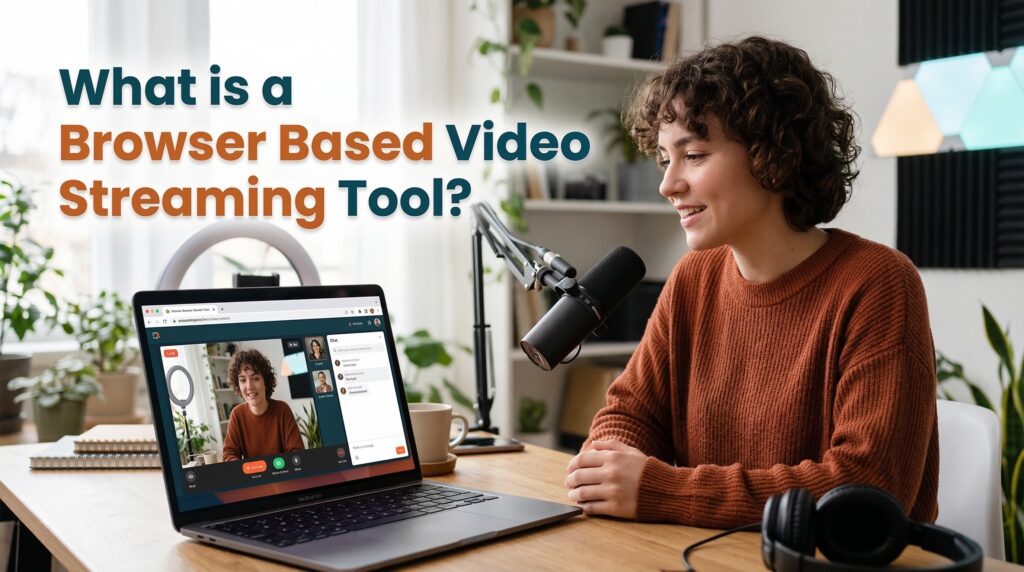
Now, you can stream videos smoothly right from your web browser. This new tech makes watching videos online easy, without needing extra software or plugins.

Definition and Overview
A browser-based video streaming tool is like an online video player that works in your web browser. Understanding how a browser based video streaming tool functions can help you choose the best option for your needs. It lets you watch videos without needing to download or install anything. This is great for both people who make videos and those who watch them.
These tools work well with many devices and browsers. This means more people can use them. They use the latest web browser tech to give you a smooth viewing experience.
Key Features
The main features of browser-based video streaming tools include:
- They are easy to use, with a simple interface that doesn’t need much setup.
- Additionally, they work with lots of devices and browsers, making them easy to access.
- They play videos in high quality, and you can change the quality based on your internet speed.
- Moreover, they can stream videos in real-time, perfect for live shows and interactive content.
| Feature | Description | Benefit |
|---|---|---|
| Easy to Use | Minimal setup required | Simplifies the streaming process |
| Device Compatibility | Works across various devices | Increases audience reach |
| High-Quality Playback | Adjustable resolution and quality | Enhances viewer experience |
Benefits of Using This Technology

Using browser-based video streaming tools has many benefits. Additionally, a browser based video streaming tool reduces barriers for viewers, making video content more accessible. You get better accessibility, less delay, and a smooth viewing experience. They are great for online learning, corporate videos, and live events.
Also, these tools are cost-effective and easy to use. They are a good choice for anyone or any group wanting to use video content.
How It Works: The Technology Behind Streaming
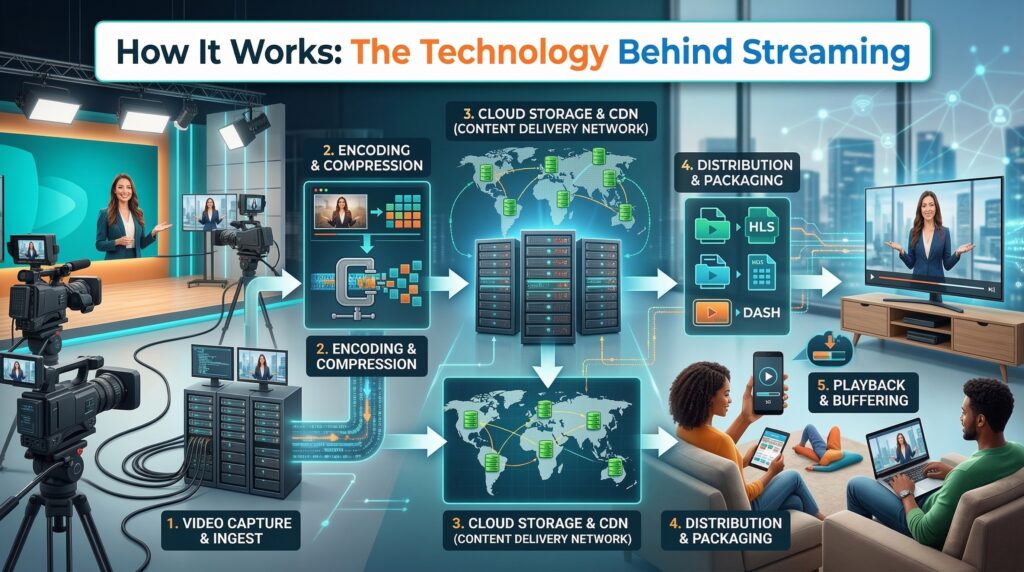
Understanding the tech behind browser-based video streaming is key for a great viewing experience. You might wonder how you can stream your favorite videos from your browser. It’s all thanks to advanced technologies that work together to bring high-quality content to your screen.
Streaming Protocols Explained
Streaming protocols are the heart of browser-based video streaming. Therefore, selecting a reliable browser based video streaming tool that supports these protocols is crucial for smooth playback.

HLS (HTTP Live Streaming) and DASH (Dynamic Adaptive Streaming over HTTP) are two main protocols. They let your browser play video content in real-time, adjusting to your internet speed for a smooth watch.
Here’s a quick look at how these protocols work:
- HLS: Apple developed HLS, which is supported by many devices and browsers. It breaks video into segments for smooth playback.
- DASH: DASH is another adaptive bitrate streaming protocol used by many services. It offers high-quality video and flexibility.
Importance of Bandwidth
Bandwidth is key for a good streaming experience. A fast and stable internet connection is needed for smooth video playback. If your bandwidth is low, you might see buffering or lower video quality.
To get the best streaming experience, consider these tips:
- Check your internet speed to make sure it’s good for streaming.
- Use a wired connection for a more stable internet.
- Close other apps that use a lot of bandwidth while streaming.
Browser Compatibility Considerations
Browser compatibility is also important for streaming. The HTML5 video player is a standard for video playback in different browsers. When picking a live video streaming software, make sure it works with your audience’s browsers.
Key things to consider include:
- Support for HTML5 video playback.
- Works with browsers like Chrome, Firefox, and Safari.
- Adaptive bitrate streaming to adjust video quality based on internet connection.
Advantages of Browser Based Video Streaming Tool
Browser-based video streaming tools offer seamless access to video content across different devices. Using a versatile browser based video streaming tool ensures compatibility across desktops, tablets, and smartphones. This flexibility is key in today’s digital world. Users expect to watch or stream videos on desktops, laptops, tablets, or smartphones easily.
Accessibility Across Devices
These tools let you access video content on many devices with a compatible web browser. You can enjoy your favorite videos or stream live content on any device you choose. This freedom is great for content creators and viewers alike.
Content creators benefit from reaching a wider audience. By not limiting content to one device or platform, creators can engage more viewers. This boosts overall reach and engagement.
Many modern platforms rely on browser technology to simplify communication. For example, tools like Google Meet allow users to join video meetings instantly from a browser, eliminating the need for complex installations while maintaining high-quality video and audio connections.
No Installation Required
Another big plus is that you don’t need to install anything. With a browser based video streaming tool, users can start watching instantly without any downloads or plugins. This is good for both creators and viewers. It means no hassle with downloading and installing apps for streaming or viewing videos.
Using video hosting services makes managing your content easy. It streamlines content delivery and makes videos accessible to more people. This avoids the technical issues that come with software installations.
Cost-Effectiveness
Browser-based video streaming is also cost-effective. Moreover, a browser based video streaming tool helps reduce expenses by eliminating the need for expensive hardware or software. This is great for individuals and organizations looking to manage video content without big costs.
Businesses and educational institutions find it appealing too. They can offer high-quality video content without big investments in infrastructure or technology.
| Benefits | Description | Advantages |
|---|---|---|
| Accessibility Across Devices | Access video content on various devices with a compatible web browser. | Broader audience reach, enhanced viewer convenience. |
| No Installation Required | No need to download or install additional software for streaming. | Simplified content access, reduced technical barriers. |
| Cost-Effectiveness | Utilize video hosting services to avoid expensive hardware or software. | Reduced costs, efficient content management. |
Popular Browser Based Video Streaming Tool
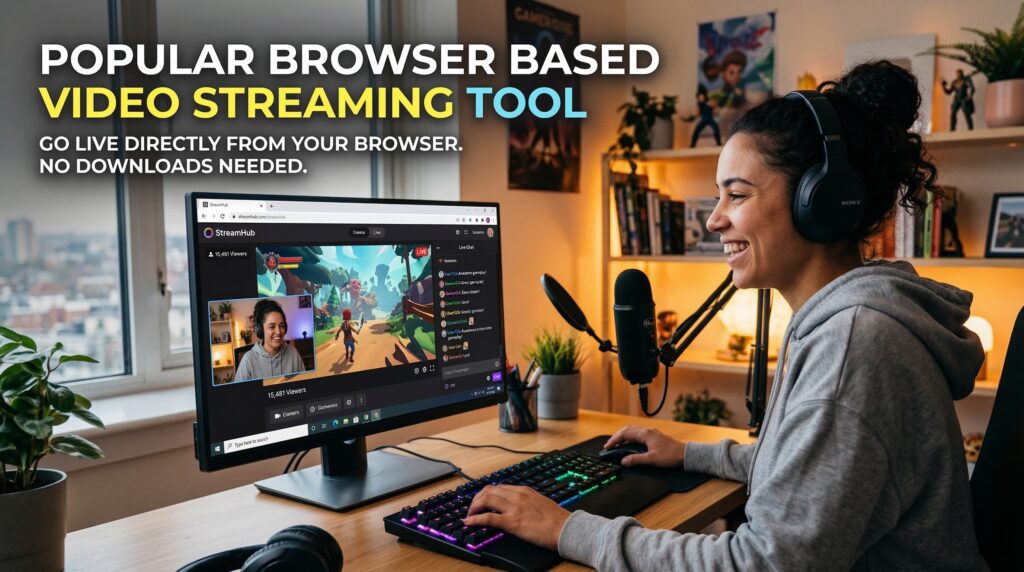
Many cloud-based video streaming solutions are popular for their ease and flexibility. Choosing the right browser based video streaming tool can significantly improve your live event quality and reach. They let you stream high-quality video from your browser. This is great for virtual meetings and live events.
Zoom
Zoom has changed how we do virtual meetings and webinars. You can join or host meetings right from your browser. It has cool features like screen sharing and recording.
Zoom is great for big groups. You can have webinars with hundreds of people. It’s perfect for businesses, schools, and event planners.
Google Meet
Another widely used browser-based communication platform is Google Meet. It allows users to host video meetings directly from their browser without installing additional software. This makes it ideal for remote teams, online education, and quick virtual meetings.
With built-in screen sharing, real-time captions, and seamless integration with Google Workspace, it demonstrates how modern browser-based streaming tools can simplify online collaboration.
StreamYard
StreamYard lets you live stream from your browser. You can stream to YouTube, Facebook, and LinkedIn at the same time. It’s easy to use and has lots of features.
“StreamYard has been a game-changer for our live streaming needs. The ability to stream to multiple platforms at once has significantly expanded our reach.”
OBS Studio
OBS Studio is a strong, open-source tool for live streaming and recording. It needs some tech skills, but it’s very customizable. It’s loved by streamers and content creators.
- Highly customizable with plugins and themes
- Supports multiple audio and video sources
- Offers advanced recording and streaming settings
When picking a video streaming tool, think about what you need. Whether it’s for webinars, live events, or content, there’s a tool for you.
Use Cases for Browser Based Video Streaming
Browser-based video streaming tools are versatile and fit many needs. Therefore, a reliable browser based video streaming tool is essential for education, corporate communication, and live events. They help improve your online presence and engagement in various fields.
These tools are not just for one industry. They serve many sectors, from education to corporate communications and live events. Each has a solution that meets specific needs.
Education and Online Learning
In education, these tools create virtual classrooms and online learning spaces. They use video encoding software to make videos work on all devices and speeds. This ensures students learn smoothly.
Key benefits for education include:
- Remote students can access classes easily
- Content can be delivered in flexible ways
- Interactive content boosts student engagement
Corporate Communications
For corporate communications, these tools help with remote meetings, webinars, and announcements. Video encoding software prepares content for all devices and speeds. This keeps your communications professional and consistent.
Advantages for corporate use include:
- Save on travel and venue costs
- More people can join company events
- Team members can collaborate better
Live Events and Conferences
Live events and conferences also benefit from browser-based video streaming. Streaming online lets you reach a global audience in real-time. Video encoding software ensures high-quality streams for all viewers.
Benefits of streaming live events include:
- Reach more people worldwide
- Engage viewers with live interactions
- Make money with virtual tickets or sponsorships
Understanding the many uses of browser-based video streaming helps you use it wisely. It can greatly improve your online presence and engagement.
Best Practices for Smooth Streaming Experiences
For successful video streaming, follow a few simple steps. These strategies will improve your stream quality and make watching more fun for your audience.
Stable Internet Connection
A stable internet connection is key for smooth streaming. Using a high-quality browser based video streaming tool also helps minimize buffering and latency issues. It prevents buffering and lag, keeping your viewers happy. Choose a good internet service and make sure your connection meets the stream’s bandwidth needs.
Using Ethernet instead of Wi-Fi can make your connection more stable. Also, having a backup internet can save your stream if the main one fails.
Pre-Streaming Tests
Test your equipment and streaming setup before you go live. This step finds and fixes technical problems that could ruin your stream’s quality. Check your audio, video, and internet to make sure they’re all good.
Do a dry run with your streaming tools and hardware. This checks your camera, microphone, and other gear for the live stream.
Audience Engagement
Keeping your audience engaged is essential for a great stream. Use live chat, polls, and Q&A sessions to keep them interested. A video streaming API can make these features even better, making your stream more interactive.
These tools help make your stream more immersive. For example, live chat lets you answer viewer comments right away, making the experience more personal and fun.
Overcoming Common Challenges
Starting with browser-based video streaming comes with some hurdles. Live video streaming software has made it easier, but issues like latency, managing chat, and technical problems can pop up.
Dealing with Latency Issues
Latency is the delay between when you stream and when viewers see it. For live streams, this is a big deal. To cut down on latency, pick a tool that’s made for low latency.
Some tools use special streaming methods to cut down on buffering. This makes the stream smoother for viewers.
“The key to reducing latency is understanding the technology behind your live video streaming software and optimizing it for your specific needs.”
Managing Viewer Interactions
Interacting with your audience is key in live streaming. Using a reliable browser based video streaming tool can enhance viewer engagement through integrated chat and interactive features. But, it can get tough, even with a small number of viewers. Tools like live chat moderation can help you keep up with comments.
Having someone else watch the chat can also help. This way, the conversation stays positive and on topic.
Technical Glitches
Even with good tools, technical issues can happen. However, choosing a robust browser based video streaming tool helps minimize technical glitches and ensures a stable broadcast. It’s smart to have a backup plan. This could be another way to stream or knowing how to fix common problems fast.
Testing your gear and setup before you go live helps too. It can lower the chance of technical problems.
Future Trends in Browser Based Video Streaming
Browser-based video streaming is set to grow a lot. Furthermore, advancements in browser based video streaming tool technology will make streaming more interactive and immersive. New streaming tech and interactive content are leading the way. It’s key to know the trends that will shape the industry.
Innovations in Streaming Technology
The web-based video streaming platform is changing fast. New streaming protocols and HTML5 video players are making watching videos better. For example, low-latency streaming protocols are becoming common. They let streamers and viewers interact in real time.
A recent report said AI and machine learning will change streaming. They will make content more personal. This could make viewers more engaged and loyal.
The Rise of Interactive Content
Interactive content is changing how we watch videos. Live streaming is getting more interactive. Features like live polls and Q&A sessions are becoming popular. They make watching videos more fun and give creators insights into what viewers like.
- Live streaming with interactive elements
- Personalized content recommendations
- Virtual and augmented reality experiences
These trends show a future where watching videos is more than just sitting back. It will be immersive and engaging.
Predictions for the Next Five Years
In the next five years, several trends will shape browser-based video streaming. Expect better streaming quality, less latency, and more virtual and augmented reality. These changes will make streaming more immersive and interactive.
“The future of video streaming lies in its ability to adapt to new technologies and user behaviors, ensuring a seamless and engaging experience for viewers.”
As these changes come, staying up-to-date with the latest in web-based video streaming and HTML5 video players is key. This will help you make the most of these new trends.
Conclusion: Embracing the Future of Video Streaming
Exploring browser-based video streaming shows its many benefits. It’s easy to use, saves money, and reaches more people. Using a cloud-based service can boost your online presence and connect with more viewers.
Key Takeaways
Understanding video streaming tech is key to success. It’s important to test your streams and connect with your audience. Whether you use a hosting service or a browser tool, these steps are essential.
Exploring Your Options
There are many tools and platforms out there, like Zoom and StreamYard. Pick the one that fits your needs best. Look at ease of use, customization, and how it grows with your needs.
Adapting to Change
Browser-based streaming is flexible, letting you keep up with new tech and audience wants. Stay current with streaming trends to keep delivering top-notch content to your viewers.
FAQ
What exactly is a browser-based video streaming tool?
A browser-based video streaming tool lets you watch or stream videos in your web browser. You don’t need to download big software or deal with old plugins. It works well on both desktops and mobile devices, giving you high-quality videos right away.
Do I need to install any software to use a web-based video streaming platform?
No, you don’t need to install anything. Tools like Zoom have apps, but web-based platforms let you join or watch videos with just a click. This makes it easy to reach your viewers, no matter their device.
How does an HTML5 video player improve my streaming experience?
An HTML5 video player is the latest standard for browsers like Chrome, Safari, and Firefox. It’s more secure, fast, and efficient than older tech. You’ll see better battery life on mobiles and smoother playback without extra extensions.
What is the role of live video streaming software in professional setups?
Live video streaming software, like StreamYard or OBS Studio, helps manage your broadcast. It lets you switch cameras, share screens, and chat with viewers live. These tools turn a browser window into a full studio.
Why should I consider a video hosting service for my content?
A video hosting service is a central place for your videos. It keeps your site fast by hosting large files elsewhere. This ensures quick video loading worldwide, with high security and organization.
What are the benefits of a cloud-based video streaming solution?
Cloud-based streaming lets you reach thousands without expensive servers. Tools like Zoom handle the cloud processing, reducing latency. This keeps your stream stable, even with a huge audience.
Is video encoding software necessary for a smooth stream?
Yes, encoding software is key. It compresses your video for the web. Efficient encoding means your video looks great, even on slower connections. It balances quality and file size.
How can I use a video streaming API for my own business?
A video streaming API lets developers add video features to apps or sites. It helps you create a custom streaming experience with features like live chat. You don’t need to build the whole infrastructure yourself.
What should I do if I experience lag or technical glitches?
To avoid issues, check your internet and do a test run before going live. Latency might be due to bandwidth or settings. Having a backup and monitoring your connection ensures a smooth experience for your audience.