
As a content creator or marketer, it’s vital to stay ahead. This is true more than ever, with platform changes affecting your online presence. The recent YouTube algorithm update has caught everyone’s attention. It’s important to understand these changes to keep your videos seen.
Have you noticed changes in your video’s performance? This YouTube algorithm update aims to make the platform better for users. But what does this mean for you? Knowing how these changes affect you can help you succeed online.
Key Takeaways
- Understand the primary goals of the latest algorithm adjustments.
- Learn how to adjust your content strategy to align with the new changes.
- Discover the impact on video visibility and engagement.
- Explore actionable tips to improve your content’s performance.
- Stay ahead of the competition by adapting to the evolving platform dynamics.
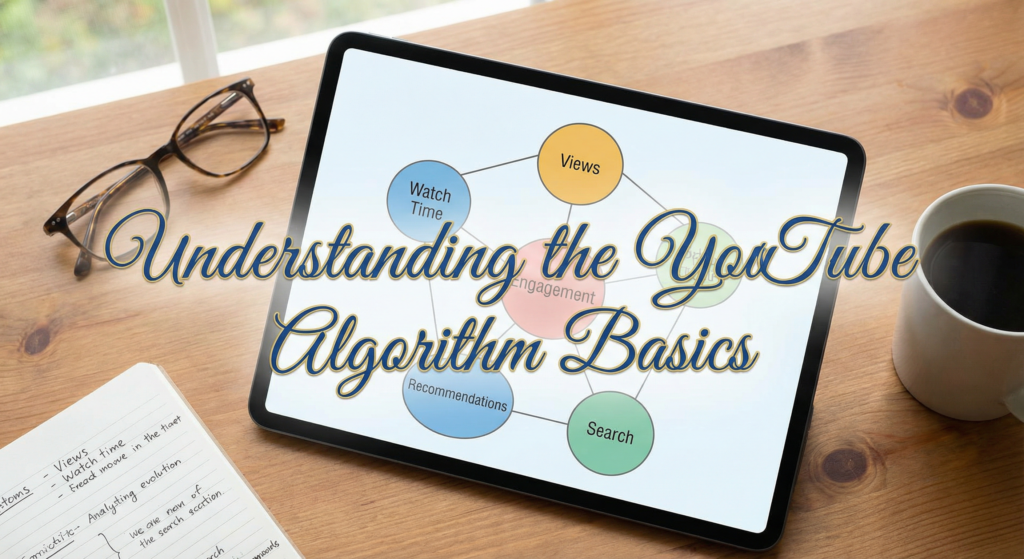
Understanding the YouTube Algorithm Basics
Learning how YouTube’s algorithm works is vital for more views. It aims to show users content that’s both relevant and engaging. Creators need to understand its basics to succeed. For instance, the recent YouTube algorithm update emphasizes the value of session time across devices.
Definition and Purpose of the Algorithm

The YouTube algorithm sorts videos based on relevance and engagement. It’s designed to give users content that interests them. This makes their viewing experience better.
YouTube’s official guide says, “The YouTube algorithm is designed to recommend videos that are most relevant to a viewer’s interests.” It uses viewer behavior, video content, and feedback to do this.
How It Affects Content Discovery
The algorithm greatly affects how we find content on YouTube. It decides what videos are shown on the homepage, in search, and on video pages. Creators need to know what the algorithm looks for to boost their video’s visibility.
- Viewer engagement: likes, comments, shares
- Video content: relevance, quality, and context
- User feedback: watch history, search history, and user preferences
By focusing on these areas, creators can get their videos seen by more people. Rand Fishkin, an SEO expert, said, “Understanding the YouTube algorithm is not just about knowing the rules; it’s about understanding how to make your content more discoverable and engaging for your audience.”
“The algorithm is constantly evolving, and creators need to adapt to these changes to maintain their visibility.” –

By keeping up with the algorithm’s updates and adjusting their strategies, creators can reach more people. This helps them grow their audience.
Recent Changes in the YouTube Algorithm
YouTube has made big changes this year to make watching videos better. These updates help viewers find new content and change how they watch videos.
As a result of the YouTube algorithm update, creators need to focus more on value-driven content.
Key Updates Introduced This Year
This year, YouTube has worked hard to make its algorithm better. It now handles short-form content and viewer engagement metrics differently.
YouTube wants viewers to find what they want to watch. It also wants creators to reach their audience. The algorithm is designed to show users the best content.

“The algorithm is constantly evolving to meet the changing needs of our users and creators.”
As a result of the YouTube algorithm update, creators need to focus more on value-driven content. YouTube now focuses more on personalization. It uses what you’ve watched and liked to suggest videos.
| Update | Description | Impact |
|---|---|---|
| Short-form Content Handling | Improved algorithm to surface short-form videos | Increased visibility for creators using shorts |
| Viewer Engagement Metrics | Enhanced metrics to measure viewer interaction | Better ranking for engaging content |
| Personalization | Increased focus on user history and preferences | More relevant video suggestions for viewers |
Impact of Changes on Content Creators
For creators, making great content is more important than ever. They need to keep viewers interested and watch their videos longer. Nevertheless, ignoring the YouTube algorithm update can reduce your content’s discoverability.
Creators must keep up with YouTube’s changes. Those who adjust their strategies will likely see their content do better.
- Focus on producing high-quality, engaging content
- Utilize short-form content to increase visibility
- Monitor and adjust to changes in viewer engagement metrics
How the Algorithm Evaluates Content
To do well on YouTube, you need to know how the algorithm checks content. It looks for what’s most interesting and engaging. Knowing this can help you make your videos better.

Engagement Metrics: What Matters Most
Engagement metrics are key for the YouTube algorithm. These include likes, comments, shares, and how long people watch. The algorithm checks how people react to your content to see if it’s good.
Likes and comments are big signs of engagement. When people like or comment, it tells the algorithm your content is valuable. Shares also show your content is engaging and worth sharing.
The Role of Watch Time and Retention
Watch time and retention are very important to the algorithm. Watch time is how long people watch your videos. Retention is how well your content keeps viewers interested.
Good watch time and retention mean your content is engaging and worth watching. To boost these, make high-quality, engaging content that your audience loves. Furthermore, many creators have seen changes in traffic after the YouTube algorithm update rolled out.
The Importance of Audience Retention
Keeping your audience engaged is key to YouTube’s algorithm. It affects how visible your video is. High retention means your content is engaging and relevant. This boosts your video’s ranking and visibility.
Techniques to Improve Viewer Retention
To keep viewers, you need a smart content strategy. Here are some tips to boost your video’s retention:
- Start with a hook to grab viewers’ attention within the first few seconds.
- Provide valuable and relevant content that meets viewers’ expectations.
- Use engaging visuals and animations to make your content more appealing.
- Keep your videos concise and to the point, avoiding unnecessary tangents.
- Encourage viewers to watch until the end by previewing what’s coming next.
By using these strategies, you can make your content more engaging. This will attract more viewers and YouTube’s algorithm.
The Connection Between Viewer Behavior and Ranking
Viewer behavior is key to YouTube’s algorithm. The platform looks at how viewers interact with your content. This includes watch time, drop-off points, and engagement.
Understanding these behaviors helps you tailor your content. This way, you can improve your video’s ranking.
For example, if viewers drop off at a certain point, you can adjust your content. You might make your intro more engaging or cut out parts that lose viewers.
By focusing on audience retention and understanding viewer behavior, you can use youtube SEO tips to improve your YouTube visibility. This helps you reach more people.
Content Recommendations: Tailoring to Viewer Preferences
To get more views on YouTube, you must know how the algorithm picks content. YouTube’s algorithm aims to show users videos they’ll like, based on what they watch and search for.
Personalization and Its Impact
Personalization is key in YouTube’s content suggestions. The algorithm looks at your watch history, search terms, and how you interact with videos. It then suggests videos that might catch your interest.
Neal Mohan, YouTube’s Head of Product, once said,
“Our goal is to help creators build their businesses and connect with their audiences in meaningful ways.”
This shows how important personalization is in YouTube’s content suggestions.
User History and Content Suggestions
Your watch history is a big part of what videos you see. The algorithm checks your viewing habits to find patterns and preferences. It then suggests videos that match what you like.
To get better recommendations, make high-quality, engaging videos. Use the right keywords, optimize your titles and descriptions, and share your content on other platforms too.
A study by TubeFilter found that videos optimized for YouTube’s algorithm get more views and engagement. By understanding the algorithm and making content your audience will like, you can get more people to see your videos.
The Impact of Shorts on the Algorithm
YouTube Shorts have changed how the platform works, focusing more on short videos. This shift shows YouTube’s effort to meet user preferences for shorter, more direct content.
YouTube is pushing Shorts because they’re popular everywhere. It wants to offer more variety to its viewers. Consequently, those who adapt to the YouTube algorithm update quickly often see stronger performance.

Why YouTube is Prioritizing Short-Form Videos
YouTube wants to make the most of short videos’ popularity. Here’s why:
- Increased Engagement: Shorts are made to grab attention quickly, leading to more interaction.
- Diverse Content: They let creators try new things, making YouTube’s content richer.
- Competition with Other Platforms: YouTube is trying to keep up with platforms that already use short videos well.
How to Effectively Use Shorts for Growth
To get the most out of Shorts, focus on making engaging, high-quality content. Here’s how:
- Keep it Concise: Make sure your Shorts are brief and grab attention fast.
- Use Relevant Hashtags: Hashtags help more people find your Shorts, reaching a wider audience.
- Cross-Promote: Share your Shorts on other platforms to bring more viewers to your YouTube.
- Analyze Performance: Use YouTube Analytics to see how your Shorts are doing and improve them.
Understanding Shorts’ role in YouTube’s algorithm can help creators grow their audience. By using Shorts wisely, you can boost your visibility and attract more viewers.
Best Practices for Adapting to Algorithm Changes
YouTube’s algorithm keeps changing, and creators must keep up. To stay ahead, it’s key to know how to adapt. By using the right strategies, you can make your content better and get more views.
Essential Strategies for Content Creators
To keep up with YouTube’s changes, focus on these key strategies:
- Create high-quality, engaging content that your audience loves.
- Make your video titles, descriptions, and tags easy to find.
- Use eye-catching thumbnails to get more clicks.
- Share your videos on other platforms to get more views.
By using these strategies, you can do better on YouTube. Consistency is key. Make sure to upload good content often to keep your viewers coming back. Notably, with each YouTube algorithm update, the weighting of ranking factors can shift slightly.
Testing and Analyzing Performance Metrics
To make your content better, test and analyze your performance. YouTube Analytics shows you how your videos are doing. It tells you about watch time, engagement, and how well your audience stays with you.
Some important metrics to look at include:
- Audience retention: See where viewers stop watching and make your content better.
- Engagement metrics: Watch how people interact with your videos through likes, comments, and shares.
- Watch time: Check how long people watch your videos to see what works.
By testing and analyzing your metrics often, you can make your content better. This will help you beat the competition and get more views on YouTube. To clarify, the YouTube algorithm update doesn’t penalize all low-performing content, but rather prioritizes high-engagement videos.
The Role of SEO in the YouTube Algorithm
Understanding SEO on YouTube is key for creators wanting more views. SEO affects how YouTube ranks and suggests videos. It’s vital for boosting your video’s visibility.
Keywords: Finding the Right Terms
Keywords are the base of YouTube SEO. They tell the algorithm what your video is about. Use tools like Google Trends, TubeBuddy, or VidIQ to find good keywords.
Look for keywords that match your content well, have good search volume, and aren’t too competitive. Long-tail keywords are great because they’re specific and less crowded.
| Keyword Research Tool | Features | Usefulness for YouTube SEO |
|---|---|---|
| Google Trends | Analyzes search volume trends | High |
| TubeBuddy | Provides keyword suggestions and optimization tips | Very High |
| VidIQ | Offers keyword research and competitor analysis | Very High |
Optimizing Titles, Descriptions, and Tags
After picking your keywords, optimize your video’s title, description, and tags. Your title should grab attention and include your main keyword.
Descriptions should clearly summarize your video, using relevant keywords. YouTube lets you use up to 5,000 characters, but keep it short and focused.
Tags help YouTube understand your video’s context. Mix broad and specific tags to cover all aspects of your content.
- Use relevant keywords in your title, description, and tags.
- Ensure your title is descriptive and attention-grabbing.
- Keep descriptions concise and informative.
- Use a balanced mix of broad and specific tags.
Misconceptions About the YouTube Algorithm
Many creators don’t fully understand the YouTube algorithm. This lack of knowledge can hurt their success on the platform. It’s important to know how the algorithm works.
Debunking Common Myths
There are many myths about the YouTube algorithm. Some think it only looks at views and likes. But, it actually looks at watch time, engagement, and viewer retention too.
Another myth is that the algorithm favors certain content or creators. While it’s true it has changed to favor better content, it aims to show what viewers like. This is true for all creators, big or small.
Understanding What Truly Influences Ranking
So, what affects how videos rank on YouTube? It’s all about the algorithm’s key factors. Here’s a quick rundown:
| Ranking Factor | Description | Impact on Ranking |
|---|---|---|
| Watch Time | Total time viewers spend watching a video | High |
| Engagement | Likes, comments, and shares on a video | Medium to High |
| Viewer Retention | How well a video retains viewers throughout | High |
| Relevance | How relevant a video is to the viewer’s search query | High |
Knowing these factors helps creators make better content. This way, they can improve their video’s ranking and visibility on YouTube.
What’s New in the Latest YouTube Algorithm Update
Since the last YouTube algorithm update, long-form content is treated differently from Shorts. The latest YouTube algorithm update places a stronger emphasis on viewer satisfaction rather than surface-level engagement metrics alone. Instead of focusing primarily on clicks or likes, YouTube now evaluates how viewers actually experience a video from start to finish.
One of the most significant changes is the increased importance of audience retention and session time. Videos that keep viewers watching longer — and encourage them to continue watching additional videos — are now more likely to be recommended across Home, Suggested, and Browse features.
Another key update is the refinement of Shorts vs long-form content distribution. While YouTube continues to aggressively promote Shorts, the platform now evaluates them separately from long-form videos. Performance in Shorts no longer directly boosts or harms long-form content, allowing creators to experiment with short-form videos without risking their main channel performance.
YouTube has also reduced the influence of tags and exact-match keywords, relying more on:
- Video content understanding (AI-based analysis)
- Viewer behavior signals (watch time, replays, engagement timing)
- Title and thumbnail performance (CTR quality, not just clicks)
In addition, the algorithm now reacts faster to early viewer feedback. Videos that perform well in the first few hours — especially in terms of retention and satisfaction — can see accelerated distribution, while poorly received videos are deprioritized more quickly than before.
Finally, authentic engagement is now prioritized over artificial signals. Repetitive comments, engagement bait, and misleading thumbnails may result in reduced reach, even if initial CTR appears high.
Future Trends in YouTube’s Algorithm
Above all, aligning your strategy with the YouTube algorithm update can strengthen your long-term channel growth. YouTube’s algorithm is always changing. For content creators, it’s key to keep up. As YouTube grows, so will the way we find and watch videos.
Emerging Trends and Predictions
Knowing what’s coming can help you improve your video marketing. A big change might be more personalized video suggestions. It’s important to know what your viewers like and make content that fits their tastes.
Adapting to Evolution in Content Strategy
To stay on top, you must be ready to change your content plan. Make sure your videos are top-notch and engaging. Be ready to tweak your strategy as YouTube’s algorithm changes.
By keeping up with the latest YouTube updates and adjusting your video marketing, you can keep doing well on the platform.
FAQ
How does the YouTube algorithm update affect my video’s visibility?
YouTube’s algorithm updates can change how your video is seen. Keeping up with these changes and adjusting your strategy can help. This way, you can keep or boost your video’s visibility.
What are the key factors that influence YouTube’s algorithm?
YouTube’s algorithm looks at many things. This includes how people engage with your video, how long they watch, and what keywords you use. Knowing and improving these areas can help your video rank better.
How can I improve my video’s audience retention?
To keep viewers watching, make your content interesting and relevant. Use catchy titles and thumbnails, grab their attention at the start, and share valuable info. This will keep them engaged from start to finish.
What role does SEO play in YouTube’s algorithm?
SEO is key for YouTube’s algorithm. It helps the platform understand your video’s content and relevance. Using the right keywords in your titles, descriptions, and tags can boost your video’s visibility and ranking.
How can I effectively use YouTube Shorts for growth?
To grow with YouTube Shorts, create high-quality, engaging short videos. Use relevant keywords, hashtags, and captions to make them easier to find. Also, interact with your viewers by responding to comments and using the “remix” feature.
What are some best practices for adapting to YouTube algorithm changes?
To keep up with YouTube’s algorithm changes, stay informed and adjust your strategy. Focus on making great, engaging content. Also, regularly check your performance to find ways to get better.
How can I optimize my content for better recommendations?
To get better recommendations, understand what your audience likes. Use data and analytics to guide your content. Make sure your content meets your viewers’ needs and interests.
What are some common misconceptions about YouTube’s algorithm?
Some think clickbait titles and tags work, or that views alone matter. But YouTube’s algorithm really values content that’s relevant, engaging, and valuable to viewers.
 20
20
 25
25
 33
33