
If you’re just starting your online journey, technical SEO for beginners might sound overwhelming. However, it’s one of the most crucial parts of building a strong website. In fact, without a solid technical foundation, even the best content may never rank. Therefore, in this guide, we’ll explore exactly how to improve SEO for small business through smart technical practices, while also covering local strategies, affordable tips, and even AI support.
In today’s competitive digital space, understanding Technical SEO for Beginners, search engine optimization, and website optimization is essential for anyone trying to rank on Google and grow their online business.
Many beginners focus only on content, but without proper SEO basics, even high-quality articles may fail to generate traffic. By combining on-page SEO, technical SEO tools, and Google ranking factors, you can significantly improve your website performance.
Additionally, small business owners can benefit from local SEO strategies and organic traffic growth without investing heavily in paid ads. Learning how to apply SEO optimization techniques correctly will give you a strong competitive advantage. Over time, these improvements can lead to consistent website traffic and better search visibility.

Moreover, these steps are practical, effective, and beginner-friendly—perfect for small business owners who want visibility without spending a fortune.
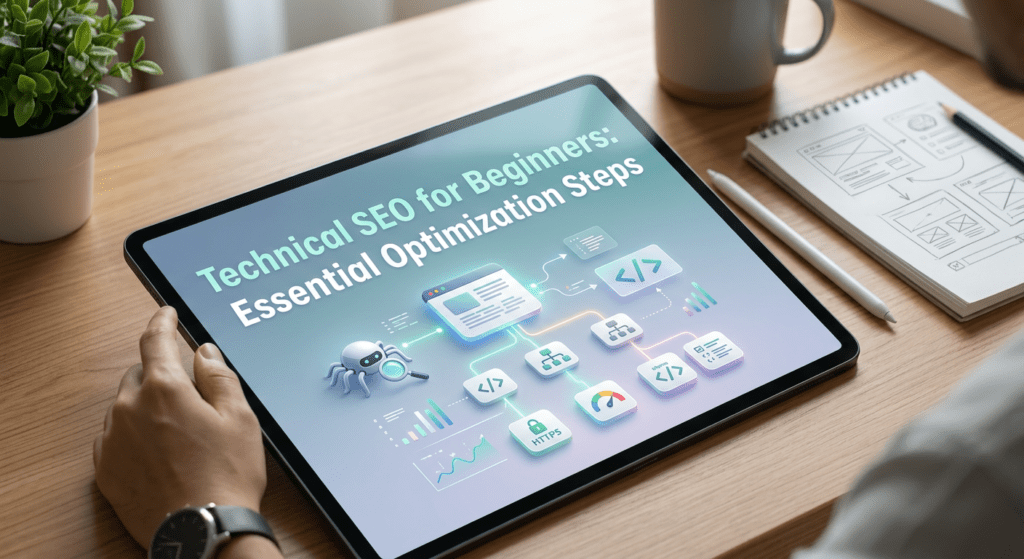
1. What Is Technical SEO for Beginners? Start Here
To clarify, technical SEO for beginners refers to website improvements that help search engines crawl, index, and rank your content. In addition, it ensures your site is secure, fast, and accessible on all devices. Therefore, if Google can’t understand your site, no amount of content will save it.
Here’s why it matters:
-

Improving Google ranking depends heavily on technical health.
-
Affordable SEO for small business often starts with fixing basic errors.
-
Local visibility is impossible without technical readiness.

Technical SEO for Beginners is the foundation of every successful SEO strategy, especially when it comes to improving website performance and increasing organic search traffic. It involves optimizing elements like site structure, URL structure, and search engine crawling so that Google can properly understand your website.
Without proper website indexing, your content may never appear in search results.

Additionally, beginners should focus on SEO audit tools, technical SEO checklist, and website health analysis to identify issues early. These tools help uncover problems like broken links, duplicate content, and slow loading pages. Fixing these issues improves both user experience and search engine rankings.
Another important factor is ensuring your site is accessible and optimized for mobile SEO and page speed optimization. Google prioritizes fast and mobile-friendly websites, making these elements crucial. By mastering these basics, you create a solid foundation for long-term SEO success.
For example, small changes—like compressing images or improving mobile design—can increase load speed and search visibility significantly.

2. Website Speed, Security & Mobile: Your Technical SEO Core
Without a fast, mobile-optimized, and secure site, ranking well is nearly impossible. However, the good news is that many of these fixes are easy, even for beginners. Moreover, they contribute not only to better technical SEO for website structure but also to a positive user experience.
Here are essential actions:
-
Use HTTPS for website security.
-
Test mobile-friendliness with Google’s tool.
-
Compress large images to improve speed.
-
Use caching and a CDN (Content Delivery Network).
Website speed, security, and mobile usability are critical components of technical SEO optimization and directly impact your Google ranking. A slow website can increase bounce rates and reduce user engagement, which negatively affects your rankings. Therefore, improving page load speed should be one of your top priorities.
Using tools like Google PageSpeed Insights, GTmetrix, and website performance tools can help identify speed issues. Additionally, implementing image optimization, lazy loading, and browser caching can significantly improve performance. These techniques are essential for boosting website speed optimization.
Security is equally important. Having an HTTPS-enabled site improves trust and protects user data. Google also considers HTTPS a ranking factor, making it essential for SEO best practices. Combined with mobile-friendly design and responsive web design, these elements ensure your site performs well across all devices.
In addition, these improvements make your site more competitive—even against bigger brands—by addressing foundational SEO issues.
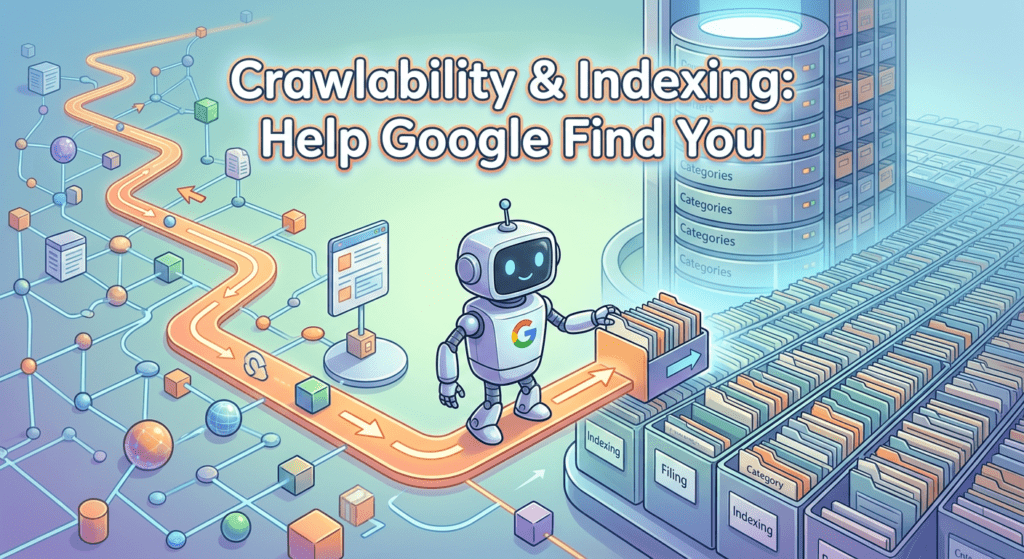
3. Crawlability & Indexing: Help Google Find You
While content is king, Google must find it first. Therefore, setting up proper indexing is a must. To begin with, create and submit a sitemap to Google Search Console. Furthermore, ensure no important pages are blocked by robots.txt or noindex tags.
In other words, even if you’re focused on local SEO for small business, Technical SEO for Beginners elements like sitemaps, canonical tags, and clean URLs help reinforce relevance. Consequently, Google connects your content to local searches more effectively.
Crawlability and indexing are essential for ensuring your website appears in search engine results pages (SERPs). Without proper search engine crawling, your content cannot be discovered by Google. This makes tools like Google Search Console, XML sitemap, and robots.txt optimization extremely important.
Creating a clean and organized site architecture helps search engines navigate your content more efficiently. Additionally, using canonical tags prevents duplicate content issues and improves SEO performance. These elements are key to maintaining a healthy website.
You should also monitor your index coverage reports and fix any errors that prevent pages from being indexed. Regular checks using SEO audit tools ensure that your website remains optimized. By improving crawlability, you increase your chances of ranking higher and gaining more organic traffic.
Additionally, tools like Screaming Frog and Ahrefs can scan your site and identify crawling issues that need fixing.
4. Internal Linking & AI: Smarter Navigation and SEO Ranking
One often overlooked technical task is internal linking—but it’s vital. However, many beginners don’t know where to start. That’s where AI comes in.
Today, smart tools like Surfer SEO and NeuralText help by analyzing your site and suggesting:
-
Where to insert links to related pages
-
Which anchor text boosts SEO ranking
-
How to structure your content flow
Internal linking plays a major role in distributing link equity and improving SEO rankings across your website. A strong internal linking strategy helps search engines understand the relationship between your pages. It also improves user navigation and keeps visitors engaged longer.
Using AI SEO tools like Surfer SEO or NeuralText can automate the process of finding linking opportunities. These tools analyze your content and suggest relevant anchor text optimization and link placement. This makes it easier to build a well-structured website.
Additionally, internal links help boost content discoverability and increase the visibility of important pages. Combining internal linking with content optimization and keyword strategy creates a powerful SEO system. Over time, this approach can significantly improve your rankings.
Moreover, AI can automate internal links to improve both user navigation and search visibility. So, if you’re wondering how AI can improve internal linking and SEO ranking, this is your answer.
5. Affordable SEO for Small Business: Technical SEO for Beginners
Small business owners often seek budget-friendly ways to rank higher. Fortunately, affordable SEO for small business doesn’t mean low quality. In fact, technical improvements offer big returns with minimal cost.
For example, even free tools like Google PageSpeed Insights and GTMetrix can highlight key areas to fix. Furthermore, many website platforms like WordPress or Shopify allow easy plugin-based solutions for speed, security, and schema markup.
Many small business owners believe SEO is expensive, but affordable SEO services and free SEO tools make it accessible to everyone. By focusing on technical SEO improvements, you can achieve significant results without a large budget. This is especially useful for those building a small business website.
Tools like Google Analytics, Search Console, and free SEO audit tools provide valuable insights into your website performance. These tools help identify areas for improvement and track progress over time. Using them regularly is essential for SEO growth.
Additionally, platforms like WordPress offer plugins for SEO optimization, schema markup, and website speed improvement. These tools simplify complex tasks and make SEO more beginner-friendly. Investing time in learning these tools can lead to long-term success.
Therefore, investing time in technical SEO for beginners can be your most cost-effective move.

6. Local SEO and Technical SEO: A Powerful Combo
You may already know that local SEO for small business helps you appear in “near me” searches. However, without technical foundations—like consistent NAP data, structured data markup, and fast mobile pages—your local SEO will fall flat.
That said, here’s what to do:
-
Ensure your Name, Address, and Phone (NAP) is consistent across all platforms.
-
Add schema.org local business markup.
-
Optimize your Google Business Profile with updated info and high-quality images.
Combining local SEO optimization with technical SEOstrategies can significantly improve your visibility in local search results. This is especially important for businesses targeting customers in specific locations. Optimizing your Google Business Profile is a key step in this process.
You should also focus on local keyword research, NAP consistency, and local citations to strengthen your local presence. These factors help search engines verify your business information and improve trust. Additionally, using structured data markup enhances your listings in search results.
Mobile optimization is crucial for local SEO, as most local searches happen on mobile devices. Ensuring fast load times and responsive design improves user experience. By combining these strategies, you can drive more local traffic and increase conversions.
In conclusion, technical SEO for website structure supports local SEO efforts. Together, they boost both trust and traffic.
📊 Real Example: Technical SEO Impact Table
| Optimization Area | Before Optimization | After Optimization | SEO Impact |
|---|---|---|---|
| Page Load Speed | 5.2 seconds | 1.8 seconds | Higher rankings |
| Mobile Score | 60/100 | 95/100 | Better UX & SEO |
| Indexed Pages | 45 | 120 | More visibility |
| Bounce Rate | 72% | 48% | More engagement |
✅ Final Checklist: Technical SEO for Beginners Made Easy
Let’s recap the essential steps. If you’re learning how to improve SEO for small business, this checklist will guide you:
1. Secure your site with HTTPS to ensure trust and protect user data.
2. Improve both speed and mobile usability to enhance user experience and rankings.
3. Once your site is optimized, submit your sitemap and check indexing status regularly.
4. Internal linking matters too — consider using AI tools to streamline the process.
5. Don’t forget local relevance: optimize your site specifically for local SEO for small business needs.
6. Finally, track your progress using Google Search Console and adjust based on real data.
Although technical SEO may seem complex at first, each fix adds value. Moreover, consistent action leads to lasting visibility. Therefore, start with the basics—and grow over time.
Technical SEO is a crucial part of building a successful online presence and improving search engine rankings. By focusing on website optimization, SEO strategies, and technical improvements, you can create a strong foundation for long-term growth.
Whether you’re a beginner or a small business owner, mastering these basics will help you generate more organic traffic and achieve sustainable success.
❓ FAQ – Technical SEO for Beginners
1. What is technical SEO in simple terms?
Technical SEO refers to optimizing your website so search engines can crawl and index it properly.
2. Why is technical SEO important?
Without it, your website may not rank even if your content is high quality.
3. Can beginners do technical SEO?
Yes, many tools and plugins make it beginner-friendly.
4. What tools are best for technical SEO?
Google Search Console, PageSpeed Insights, and GTmetrix are great starting points.
5. How long does SEO take to work?
Typically 3–6 months, depending on competition and consistency.
6. Is technical SEO expensive?
No, many essential tools are free.
7. Does website speed affect SEO?
Yes, it is a confirmed Google ranking factor.
8. What is indexing in SEO?
Indexing is when Google stores your pages in its database.
9. How can I improve my SEO fast?
Fix technical issues, optimize content, and build internal links.
 20
20
 25
25
 33
33